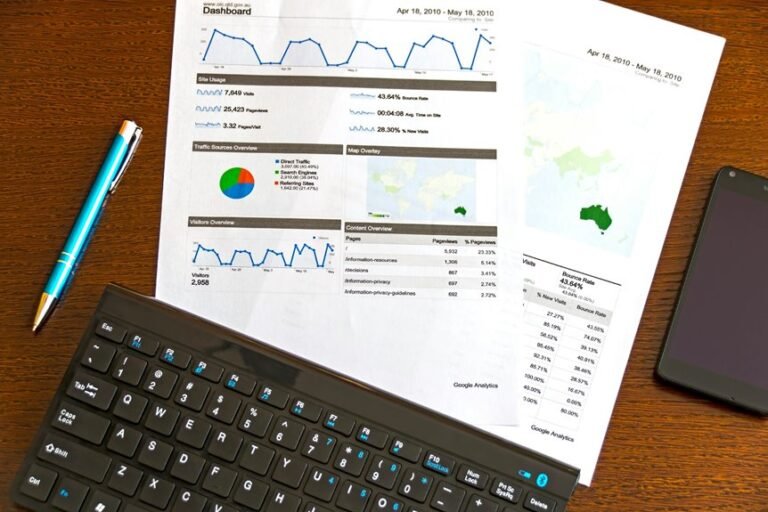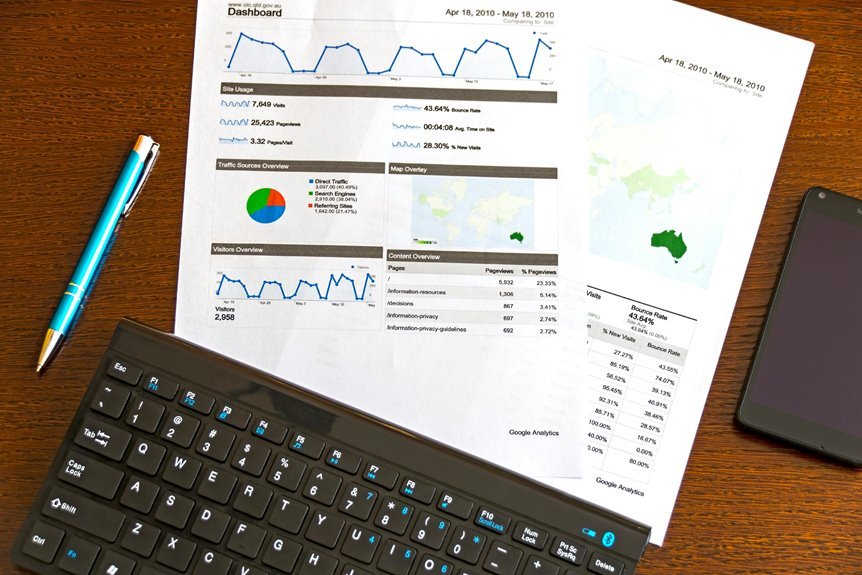
Business Growth Dashboard: 5128902059, 5129961682, 5133970850, 5134499807, 5135384553, 5135384574
The Business Growth Dashboard presents a sophisticated tool for organizations aiming to enhance their performance tracking. Its key features include real-time updates and customizable metrics aligned with specific goals. By integrating tailored key performance indicators, the dashboard supports informed decision-making. However, the effectiveness of such a tool largely depends on how well organizations implement and utilize it. Understanding best practices may reveal critical insights that can drive strategic growth initiatives.
Key Features of a Business Growth Dashboard
A well-designed business growth dashboard serves as a critical tool for organizations aiming to track performance metrics and make informed decisions.
Essential features include intuitive data visualization, which enables stakeholders to interpret complex information quickly. Customizable metrics tailored to specific organizational goals enhance relevance.
Additionally, real-time updates ensure that decision-makers operate with the most current data, fostering agile responses to market dynamics.
Benefits of Implementing a Business Growth Dashboard
Implementing a business growth dashboard significantly enhances an organization’s ability to drive strategic initiatives and optimize performance.
By leveraging data visualization, stakeholders can easily interpret complex datasets, facilitating informed decision-making.
Furthermore, performance tracking becomes streamlined, allowing teams to identify trends and areas for improvement swiftly.
This strategic approach empowers organizations to adapt and thrive in dynamic market environments, fostering sustainable growth.
Best Practices for Utilizing Your Dashboard Effectively
Maximizing the effectiveness of a business growth dashboard requires adherence to several best practices that enhance its utility.
Effective data visualization is crucial; it simplifies complex performance metrics, facilitating quick insights.
Regularly updating the dashboard ensures relevance, while customizing views for different stakeholders promotes engagement.
Additionally, setting clear goals allows users to focus on key performance indicators, driving informed decision-making and strategic growth.
Conclusion
In conclusion, a Business Growth Dashboard serves to streamline performance tracking, enhance decision-making, and promote agile responses. By integrating customizable metrics, it empowers stakeholders to focus on relevant data, fosters user engagement through tailored views, and ultimately drives strategic growth initiatives. As organizations adopt this tool, they gain clarity in their objectives, precision in their analyses, and confidence in their decisions, thereby positioning themselves for sustained success in an ever-evolving market landscape.